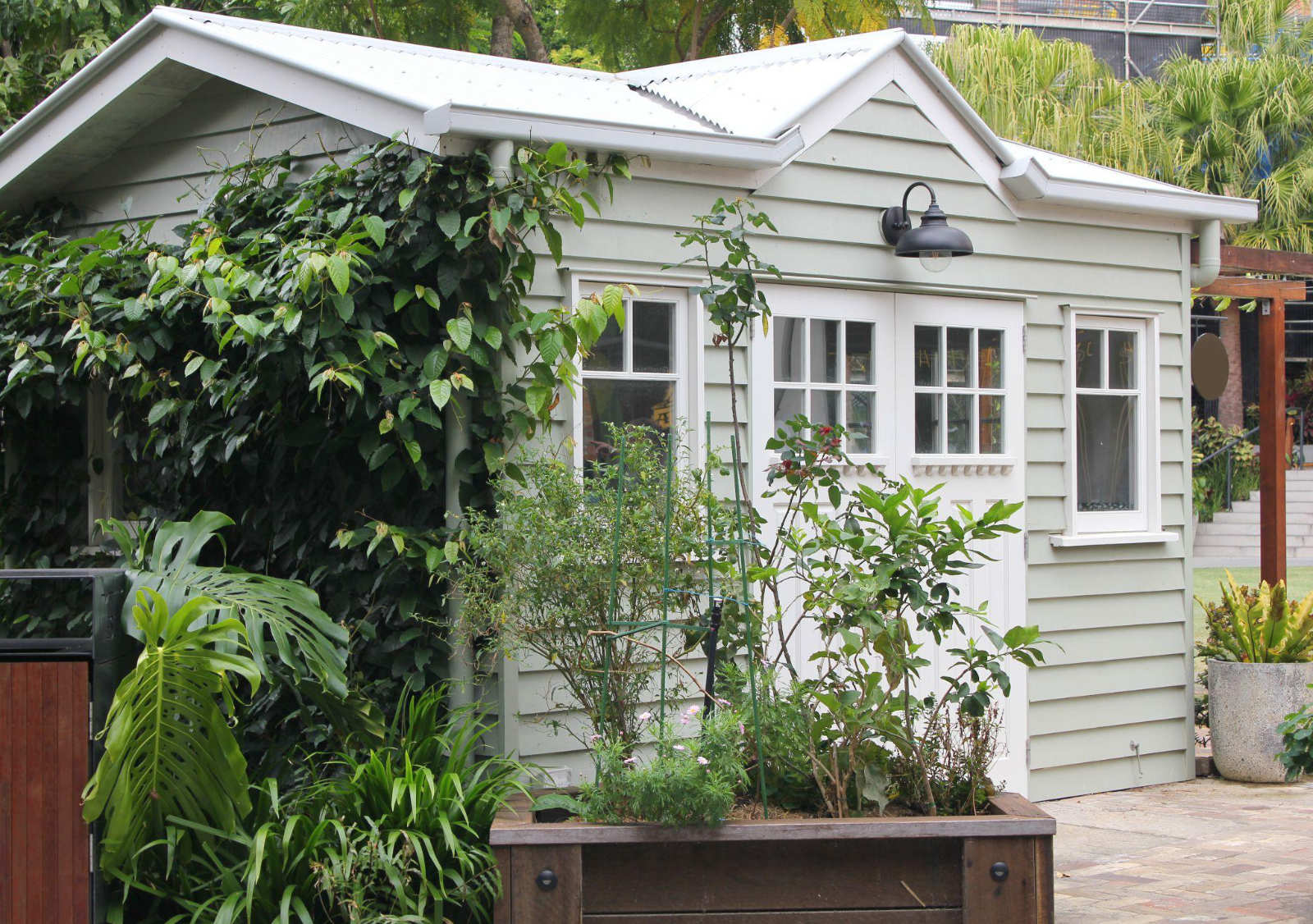
There’s a point where a shed stops being “just a shed.”
Maybe it turns into a quiet place to work. Maybe your garage starts pulling double duty as a workshop. Maybe you’ve got a barn that needs lighting, so you’re not fumbling around with a flashlight every time you head out there.
At some point, the thought hits: “I should probably run power to a shed like this.”
And you’re not wrong. Getting power to shed spaces is one of the most useful upgrades you can make around your home. It changes how you use the space and makes everything feel a whole lot more functional.
It’s also one of those projects that looks simple at first… and then gets a little more involved once you start looking into it. That’s usually where people pause, not because they can’t do it, but because they want to make sure it’s done properly.
We help homeowners all over the Triangle set up power to shed buildings, so let’s walk through what’s actually involved in a way that makes sense.
What It Really Takes to Get Power to a Shed
When people picture adding power to shed spaces, it’s usually a pretty simple mental image. Run a line from the house to the building, hook it up, done.
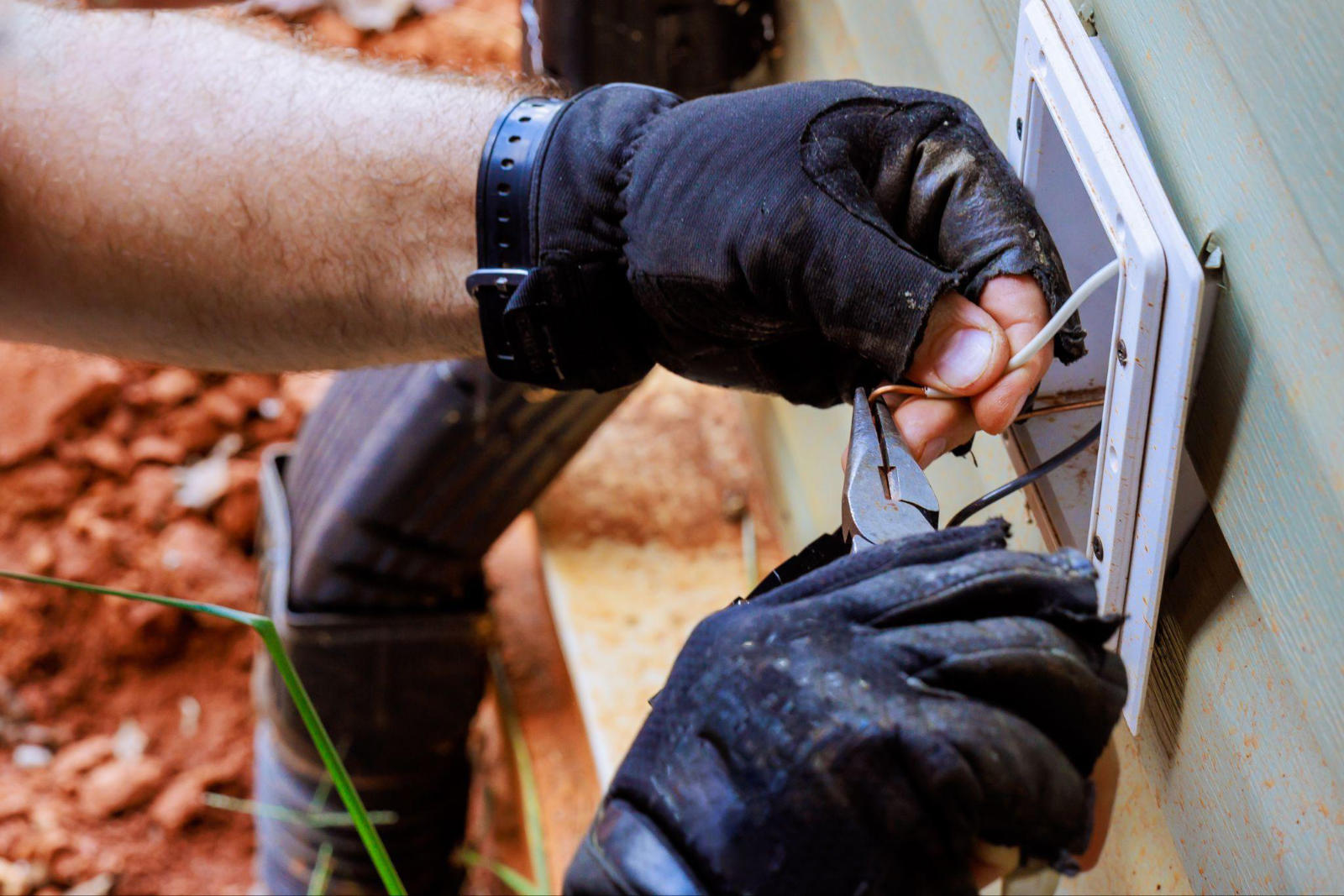
In reality, you’re extending your home’s electrical system to a completely separate structure. That connection needs to be steady, protected, and sized properly so everything works the way you expect it to.
There’s a starting point at your main panel, a run out to the building, and then a safe way to distribute power once it gets there. When all of that is set up correctly, it just feels like a natural extension of your home. Lights come on when you expect them to. Tools run the way they should. Nothing feels strained or unpredictable.
That’s the goal when you’re bringing power to shed spaces.
Where Things Can Get Tricky (and Easy to Miss)
Most of the time, it’s not the big picture that trips people up—it’s the small details that aren’t obvious until you’re in the middle of it.
Depth is a big one. Underground lines need to be buried far enough to stay protected over time. The type of wire matters too, especially when it’s running below ground. And then there’s protection—most setups require conduit so the wiring isn’t exposed to moisture or damage.
None of this is unusual. It’s just not something most homeowners deal with often. We see the same thing with underground wiring for barn projects. The idea is straightforward, but once you get into the specifics, it’s easy to want a bit of guidance just to be sure everything lines up.
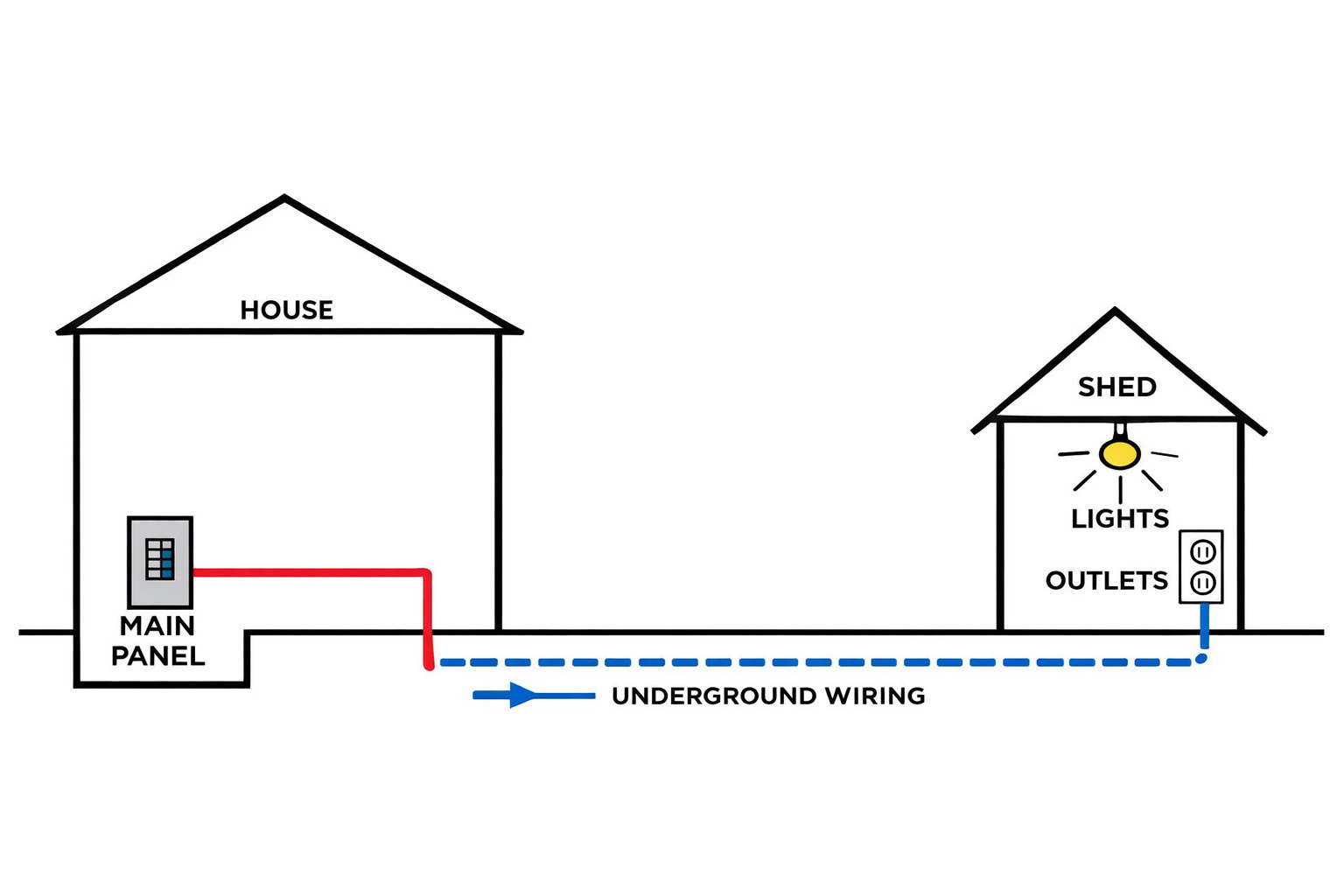
How We Typically Run Power to a Shed
Every project starts with a simple question: what do you actually want to use the space for?
That answer shapes everything. A shed with a light and an outlet is very different from a garage running multiple tools every day.
From there, we map out the cleanest and safest path from the house to the building. That usually involves trenching, either handled directly or coordinated through a trusted electrical trenching service Raleigh homeowners can rely on. Once that’s in place, the wiring is run, protected, and connected so the whole system works together without strain.
There’s nothing complicated about the process when it’s done step by step. It’s just a matter of getting each part right so the end result feels effortless.
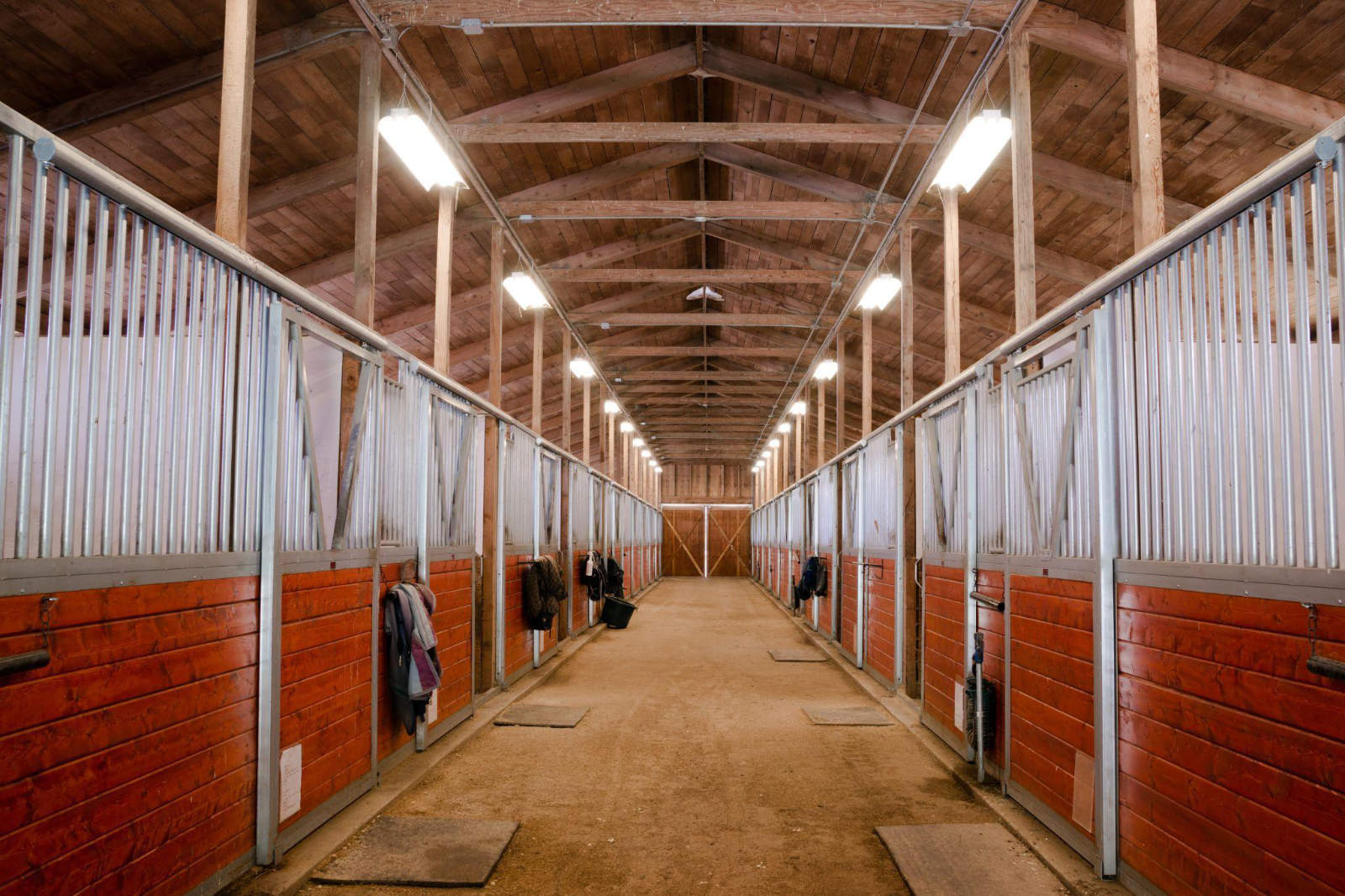
When a Shed or Garage Needs Its Own Panel
Sometimes, adding power to shed spaces is as simple as extending a circuit. Other times, it makes more sense to give that building its own small panel.
This usually comes up when the space is doing more than just lighting. If you’re running tools, adding multiple outlets, or thinking about expanding later, a dedicated panel keeps everything organized and easier to manage.
That’s where a garage subpanel installation comes in. It gives you more flexibility without overloading your main system, and it makes future changes much easier to handle.
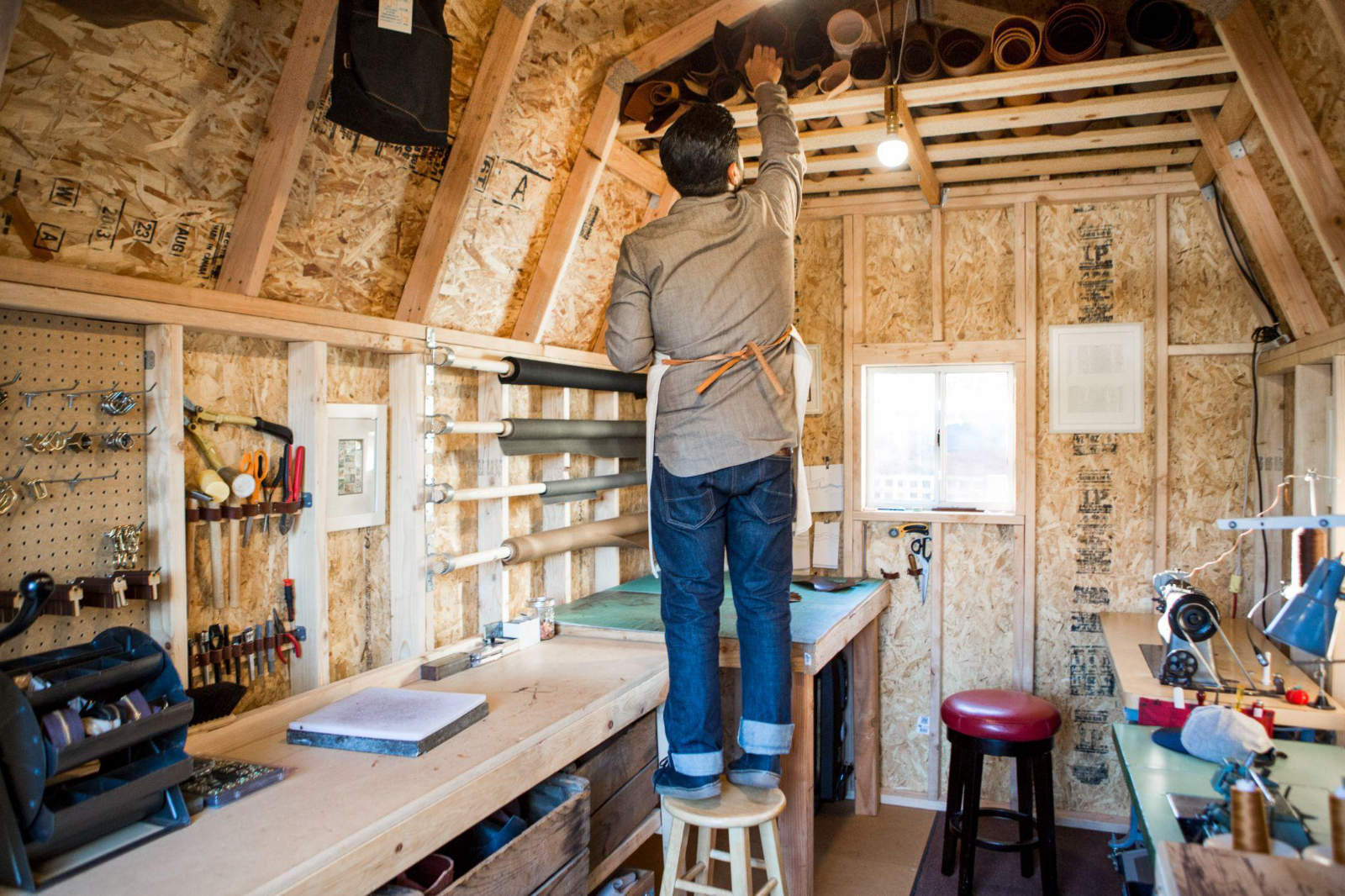
Thinking Ahead a Little Goes a Long Way
One of the best ways to approach power to shed projects is to think just slightly beyond what you need today.
A lot of homeowners start with something simple in mind, like lighting and a couple of outlets. Then, over time, the space becomes more useful than expected. Maybe a few more tools get added. Maybe better lighting starts to matter. Maybe comfort becomes part of the conversation.
Planning for that upfront doesn’t usually add much complexity, but it can save you from having to revisit the project later. We see this often with outbuilding power Raleigh setups, where a little extra foresight makes the space far more flexible down the road.
Local Requirements (Handled Without the Headache)
Whenever you’re adding power to shed buildings, there are local requirements involved. Permits, inspections, and code all play a role in making sure everything is safe and built to last.
For most homeowners, this is the part that feels unclear. The good news is, it’s not something you need to manage on your own. Working with a local Electrician Durham NC homeowners trust means those details are handled as part of the process.
It’s simply part of doing the job properly, and it keeps everything above board from start to finish.
What We See All the Time
A lot of the conversations we have about power-to-shed projects start in a pretty similar place.
Sometimes someone has already started planning and just wants a second opinion. Other times, they’ve realized they’d rather have it handled all at once instead of piecing it together. And sometimes it’s just a matter of wanting the peace of mind that everything is set up the right way.
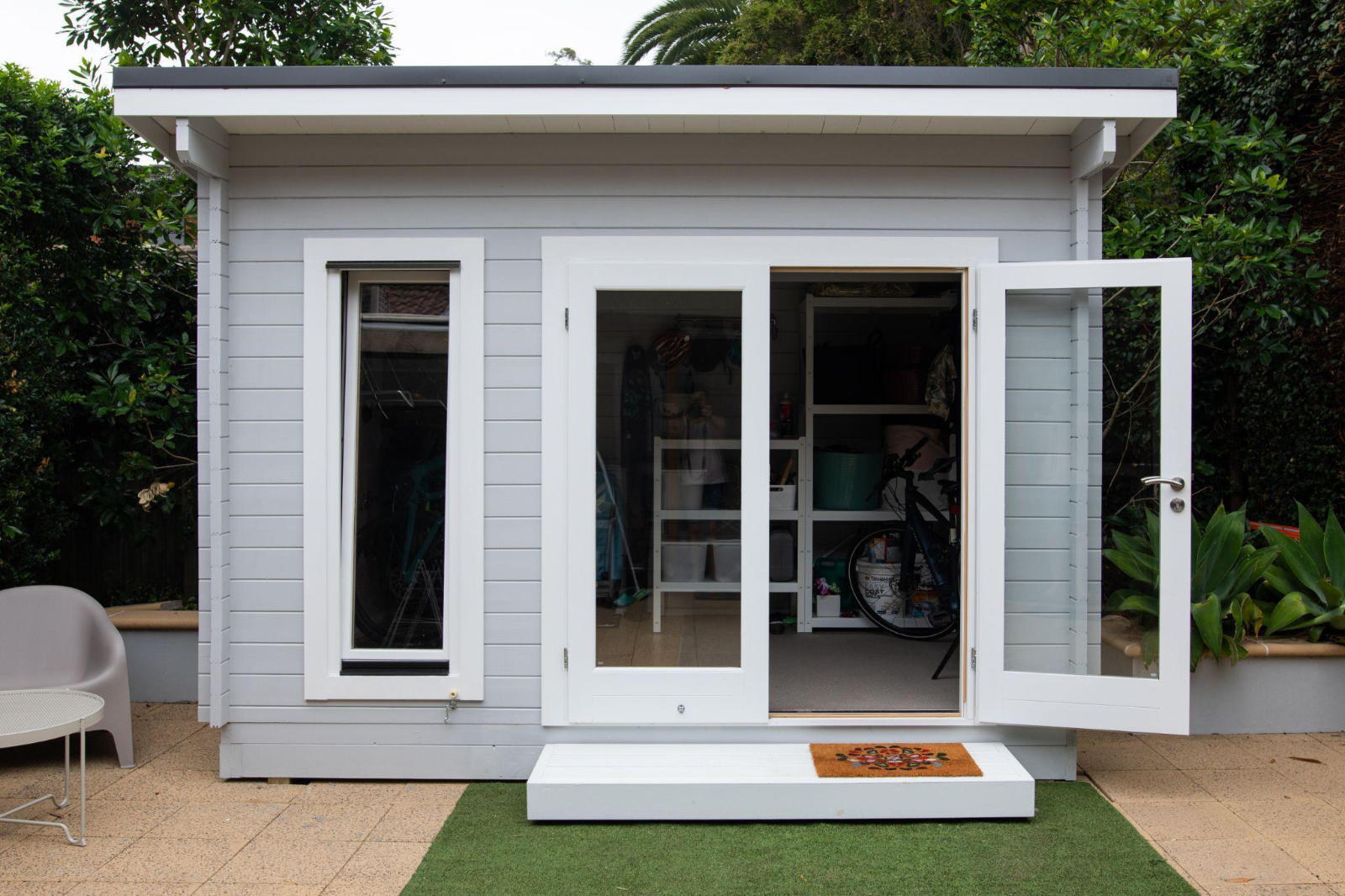
What It Looks Like When It’s Done Right
When everything is set up properly, it fades into the background in the best possible way.
You flip a switch, and the lights come on. You plug something in, and it works exactly like it should. There’s no hesitation, no second-guessing, and no workarounds.
It just feels like part of your home.
That’s what good Triangle area electrical services are meant to deliver—something you don’t have to think about once it’s in place.
Let’s Get Power to Your Shed Set Up Properly
If you’ve been thinking about adding power to shed spaces like a garage, barn, or backyard office, we’re happy to walk through it with you.
We’ll take a look at what you’ve got, talk through how you plan to use the space, and help you set it up in a way that works now and still works down the road.
If you’re in Raleigh, Durham, or anywhere in the Triangle, reach out anytime. We’ll help you get it sorted without overcomplicating it.